
Two women in a K-drama meet for the first time, and within minutes one is calling the other “unnie.” A few episodes later a young man calls the same woman “noona,” and his friend calls him “hyung.” If you are not sure why everyone seems to be related, you are not alone.
The unnie meaning is the key that unlocks the rest. Once you see how Korean uses sibling words for people who are not siblings at all, these titles stop sounding random. This guide covers what each word means, who uses it, and the small rules that trip up learners.
Unnie means “older sister” when a woman speaks to an older woman. Noona is the same idea when a man speaks to an older woman, and hyung is what a man calls an older man. All three work for real siblings and, in a warm second sense, for friends who are older than you.
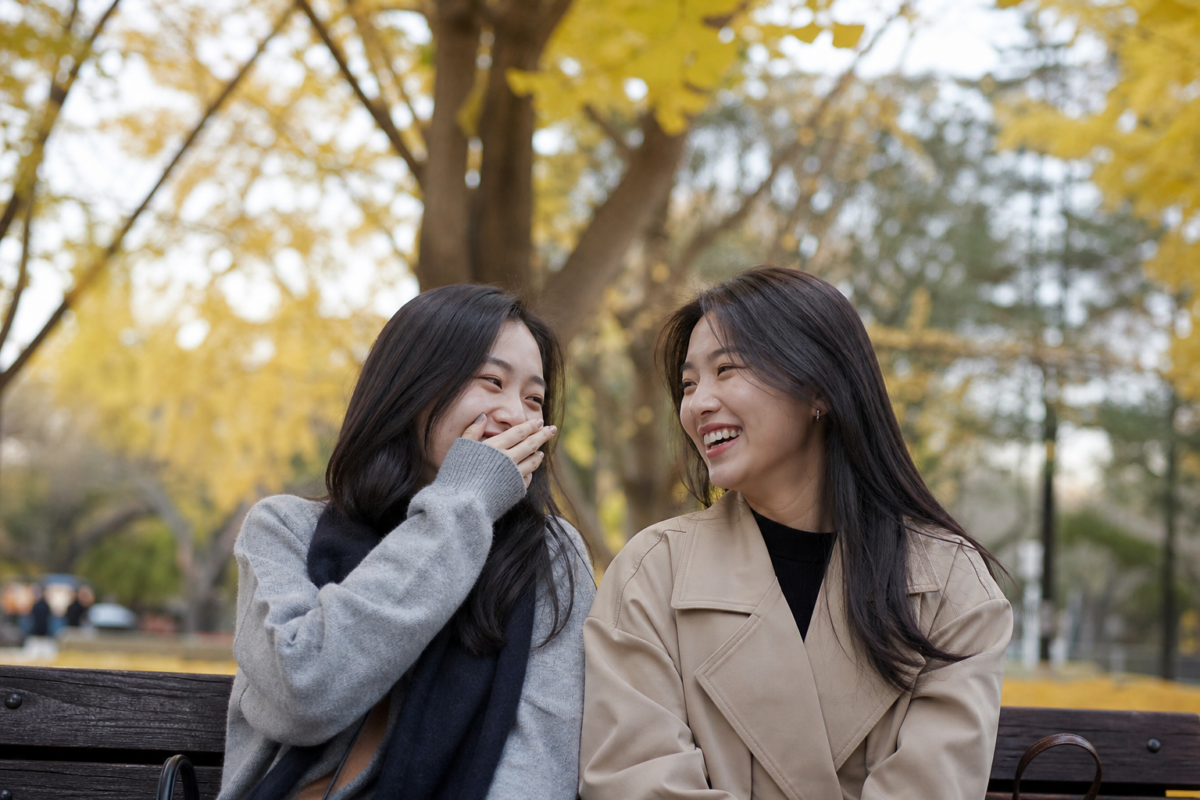
What unnie means
The Basic Korean Dictionary, run by the National Institute of Korean Language, gives two senses for unnie. The first is a word used only by a female to refer to or address her female siblings or cousins older than herself. The second is a word used only by a female to address, endearingly, another female older than herself. Both senses are listed in the Basic Korean Dictionary, checked on 13 October 2026.
The second sense is why unnie turns up between friends, coworkers and even fans and celebrities. It signals warmth plus respect for age in a single word. A woman who calls another woman unnie is saying, in effect, that she sees her as an older sister figure.
The official spelling is eonni under the government’s Revised Romanization of Korean. Fans almost always write unnie, so you will see both. They are the same word.
What noona means
Noona fills the same slot from the male side. The dictionary defines it as a word used by a male to refer to or address his female siblings or cousins older than himself. Its second sense is a word of endearment used by a man for a young woman who is older than him.
That second sense gives noona its flirtatious edge in dramas. When a younger man calls a woman noona, the word can be respectful, cheeky or romantic depending on tone. Stories about a younger man pursuing an older woman use the word constantly, because it keeps the age gap visible in every line.
The official romanization is nuna. Fan spelling adds the extra o, which is closer to how English speakers hear the long first vowel.
What hyung means
Hyung is what a man calls an older man. The dictionary gives the same two-sense structure: a word used only by a male for his older male siblings or cousins, and an endearing word for another male older than himself. It is the male counterpart to unnie and the partner word to oppa.
Hyung also has a less familiar use. The dictionary lists a separate entry where it attaches to someone’s family name to address a man of about the same age, in a moderately raised form. You will mostly hear that pattern in older dramas and among middle-aged men, not among teenagers.
The official spelling is hyeong. Fan spelling drops the e, and that version is what most English subtitles and search results use.
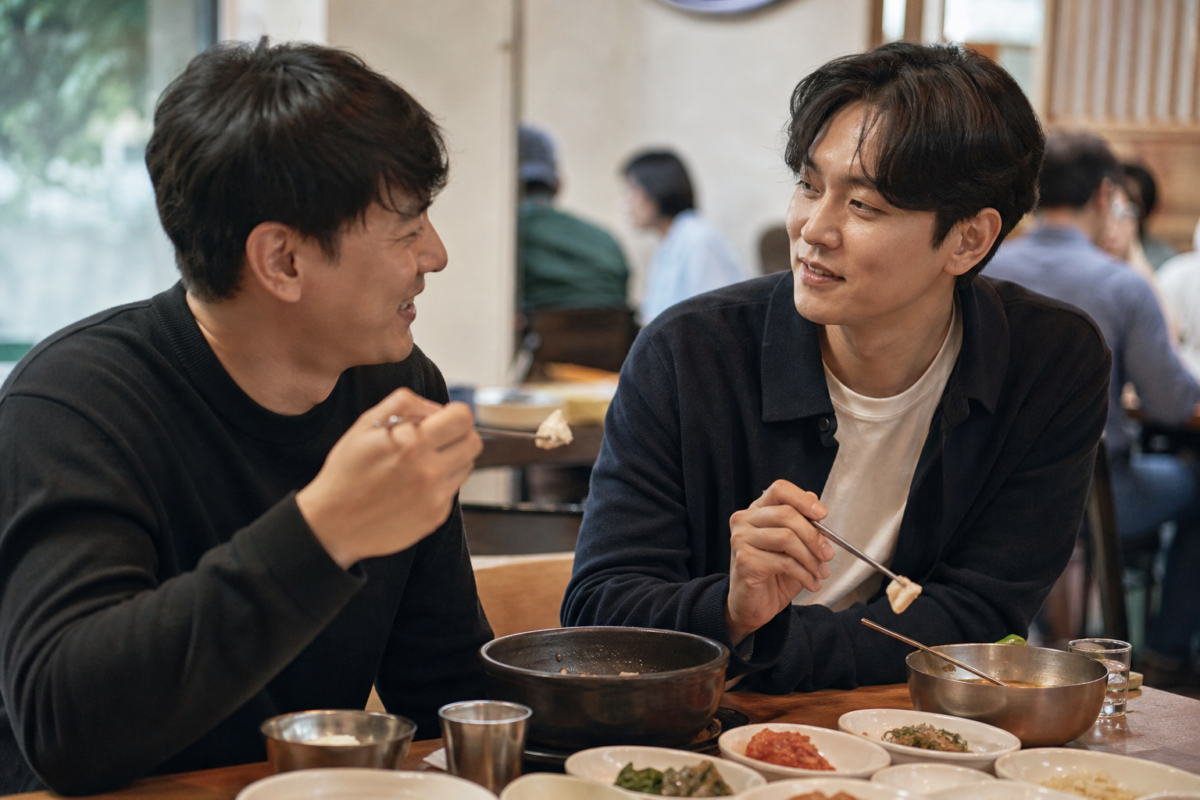
Eldest, second and new: variations on unnie and noona
Real families often have more than one older sister, so Korean adds a short prefix to tell them apart. The Basic Korean Dictionary lists separate entries for these combined words, and they turn up constantly in family dramas. The table below collects the main ones with their dictionary meanings.
| Word | Romanized | Dictionary meaning |
|---|---|---|
| Big unnie | keun-eonni | The eldest sister, when called by a younger sister |
| Small unnie | jageun-eonni | An older sister who is not the eldest, among two or more |
| Real unnie | chin-eonni | An older sister born to the same parents |
| New unnie | sae-eonni | The wife of one’s older brother |
| Big noona | keun-nuna | The eldest sister, when called by a younger brother |
| Small noona | jageun-nuna | An older sister who is not the eldest, among a boy’s sisters |
The prefix chin, meaning a real blood relation, matters because unnie alone can mean a friend. When a character says chin-eonni, she is making clear she means her actual sister. Sae-eonni shows how a marriage creates a new title overnight, which family dramas use for comedy and friction.
What the older person calls the younger one
The system runs in one direction. Younger people use a title, while older people generally call younger people by name. The general word for a younger sibling is dongsaeng, which the dictionary defines as the younger person among siblings or relatives.
Dongsaeng also has a friendly second sense. It is a word an older person uses to refer to a younger person in a familiar way. So an unnie might introduce a close younger friend as her dongsaeng, even with no family link.
Why subtitles handle these words badly
English has no everyday habit of calling friends “sister” or “brother” by rank, so translators must choose. They can keep the Korean word, swap in a first name, or drop the title entirely. Each choice loses something, because the title carries both age order and closeness.
Big family dramas often feature a dozen relatives, each addressed by a title rather than a name, which is why subtitles sometimes feel inconsistent. If a subtitle suddenly switches from a name to “sis,” the Korean line has usually switched to unnie or noona.
Common mistakes learners make
The most frequent error is using the title for the wrong gender pair. A man who calls an older woman unnie sounds as if he is copying her friends rather than speaking for himself. The fix is to check your own gender first: women say unnie and oppa, men say noona and hyung.
The second error is using these titles too early. They imply closeness, so calling a new colleague unnie or hyung on day one can feel presumptuous. A name with a polite suffix is normal until the other person suggests something warmer.
The third error is assuming drama usage is everyday usage. Our guide to learning Korean with K-pop and K-dramas explains why scripted dialogue exaggerates intimacy. If you are weighing which Asian language to start with, our comparison of Korean and Japanese for learners covers how much the politeness system adds to the workload.
Why these words matter when watching
Titles carry information subtitles often lose. A switch from a name to unnie can mark the moment two rivals become friends, and a switch back can signal a break. Tracking who calls whom what is one of the easiest ways to follow relationships in a long drama.
Names carry similar hidden meaning. Our piece on what Korean drama character names really mean shows how writers plant clues in what characters are called. Together, names and titles tell you a lot before the plot does.
Unnie meaning frequently asked questions
Can a man say unnie?
Not in the standard dictionary sense, which marks unnie as used only by a female. A man uses noona for an older woman instead.
What is the difference between unnie and noona?
Both mean older sister. The difference is the speaker: women say unnie and men say noona. The older woman is the same person either way, and only the speaker’s gender changes the word.
Does noona have a romantic meaning?
It can, depending on context. The dictionary’s second sense is a word of endearment from a man to an older young woman. Romance dramas with a younger male lead use that sense often, but the same word is also used for real sisters.
What does hyung mean in K-pop groups?
It means the same thing as anywhere else: an older male, addressed by a younger male. Members of male groups call older members hyung because of age order, not rank in the group. Female group members use unnie for older members.
How do you spell unnie officially?
The Revised Romanization spelling is eonni. Noona is nuna and hyung is hyeong. Fan spellings are more common online, so search for both when looking up examples.
Is it rude to call a stranger unnie?
The dictionary sense covers an older woman you feel close to, so using it with a stranger stretches that meaning. It implies friendliness you have not yet built. If you are unsure, a polite general address is the safer choice.