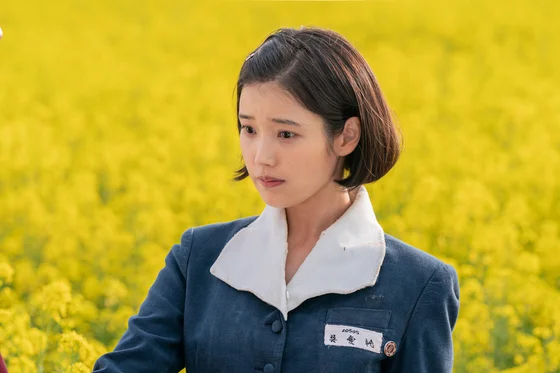
A new intern in a K-drama bows and says “sunbae” to someone barely a year older. A university student says the same word to a classmate who started a semester earlier. Subtitles often turn it into “senior” or simply a name, and the hierarchy behind it disappears.
The sunbae meaning matters because it governs a huge share of school and office dramas. Knowing it explains why characters defer to people who are not their bosses and why a single word can carry resentment or admiration. This guide covers sunbae, its opposite, and the titles that sit around it.
Sunbae means a senior: someone who started at the same school or in the same field before you. The opposite is hoobae, a junior who started after you. Seniority by start date, not age or job title, decides who is who.
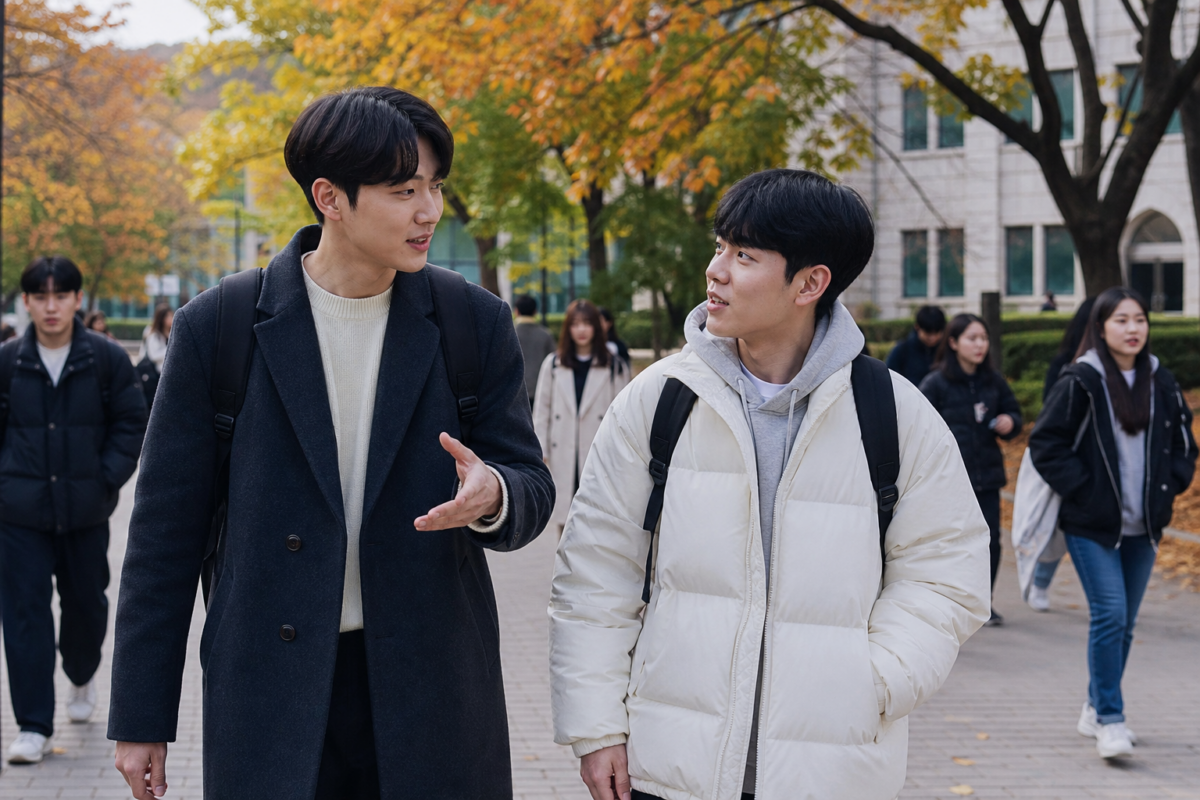
What sunbae means
The Basic Korean Dictionary, published by the National Institute of Korean Language, gives two senses for sunbae. The first is a person who is more experienced and holds a higher position because they started in the same field earlier. The second is a person who went to the same school ahead of you. Both senses appear in the Basic Korean Dictionary, checked on 13 October 2026.
The key idea in both senses is “earlier,” not “older.” A person can be younger than you and still be your sunbae if they joined the company or entered the school first. That twist drives plenty of awkward moments in workplace dramas.
The official spelling is seonbae under the government’s Revised Romanization of Korean. Fans and subtitles mostly write sunbae, which is closer to how English speakers hear the first vowel.
Hoobae, the other half
The opposite of sunbae is hoobae. The dictionary defines it as a person who started a career in the same field later than oneself, or who entered the same school later. The official spelling is hubae.
The two words describe one relationship from both ends. The dictionary also lists seonhubae, which simply means seniors and juniors together. In practice, the hoobae uses the title and the sunbae usually calls the hoobae by name. You rarely hear someone address a junior as “hoobae” directly.
How sunbae differs from family titles
Korean has two separate ranking systems that dramas often play against each other. Family-style titles such as oppa, unnie, hyung and noona follow age. Sunbae and hoobae follow start date in a school or field. The table below compares the main address words you will hear in school and office dramas.
| Word | Official spelling | Based on | Dictionary meaning |
|---|---|---|---|
| Sunbae | seonbae | Start date | A senior in the same field or school |
| Hoobae | hubae | Start date | A junior in the same field or school |
| Daeseonbae | daeseonbae | Start date | A much more senior person in the same field or school |
| Maknae | mangnae | Age | The youngest sibling, or the youngest in a group |
| -ssi | ssi | Courtesy | A deferential way to address someone, like Mister or Miss |
| -nim | nim | Respect | An honorific suffix showing respect |
When age and start date point in different directions, characters have to choose which system to follow, and that choice is often the joke or the conflict. An older new hire and a younger senior colleague is a setup dramas return to again and again.
Maknae and why its spelling looks odd
Maknae is the youngest. The dictionary gives two senses: the youngest among siblings, born last, and the youngest person in an organization or group. K-pop made the second sense famous, but it is just as common in office and family dramas.
The official romanization is mangnae, not maknae. Korean romanization follows pronunciation, and the word is pronounced with an ng sound in the middle. The Revised Romanization rules show the same effect in place names such as Jongno, where spelling follows sound rather than letters. Fans kept the letter-by-letter maknae, so that is what you will see online.

Adding nim and ssi
Titles often take a suffix. The dictionary lists -nim as a suffix that adds respect, and seonbaenim is the most polite way to address a senior. A junior who drops the -nim is signalling either closeness or, in a tense scene, a lack of respect.
The suffix -ssi works differently. The dictionary defines it as a word used to address a person deferentially, similar to the English titles Mister or Miss. Colleagues of similar standing often use a full name plus -ssi. It is polite but not strongly respectful, so it is generally not the choice for a clear senior or a boss.
Job titles also take -nim. The dictionary lists sajangnim for the president of a store or company and seonsaengnim for a teacher, the second of which also works as a polite general address. Many office dramas use job titles more than names.
Sunbae in school and office dramas
School dramas use sunbae for students in a higher year and for club seniors. The relationship can be protective or cruel, and bullying plots often turn on seniors abusing their position. Romance plots use the same structure in reverse, with a junior admiring a senior from a distance.
Office dramas extend the idea into careers. A daeseonbae, a far more senior person in the same field, carries real weight, and characters treat that person with extra care. Our list of dramas that work as a crash course in Korean society includes stories where these hierarchies shape the plot.
Should learners use sunbae?
If you study, work or train alongside Koreans, sunbae is a natural word to use for people who started before you. Adding -nim is the safe default until the senior tells you to relax. Outside a shared school or field, the word does not apply, so do not use it for strangers.
If you are planning how long it will take to handle these levels comfortably, our guide on how long it takes to learn Korean sets out a realistic timeline. Honorifics are one of the areas where learners need the most practice.
Sunbae meaning frequently asked questions
What does sunbae mean in English?
It means a senior: someone who started in the same school or field before you. It depends on who started first, not on who is older. The opposite is hoobae.
Can a younger person be your sunbae?
Yes. If they entered the school or joined the field earlier, they are your senior in that setting. Age still matters for family-style titles, so the two systems can clash. Dramas use that clash for both comedy and conflict.
What is the difference between sunbae and oppa?
Oppa follows age and is used only by a female speaker toward an older male. Sunbae follows start date and works for anyone of any gender. A woman might call a male senior sunbae at school and switch to oppa once they become close.
What does sunbaenim mean?
It is sunbae plus the respect suffix -nim. It is the most polite way to address a senior and the safe choice for newcomers. The official spelling is seonbaenim.
How do you spell hoobae officially?
The Revised Romanization spelling is hubae. Sunbae is seonbae. Fan spellings are more common online, so search both forms.
What does maknae mean?
It means the youngest sibling or the youngest member of a group. The official spelling is mangnae because romanization follows pronunciation. K-pop fans use maknae for the youngest member of a group.