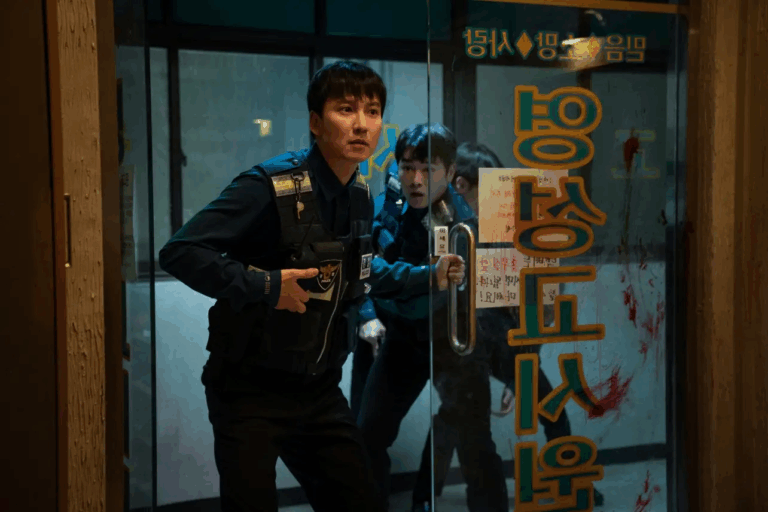
Extraordinary Attorney Woo – The Power of Neurodivergent Brilliance in a Conformist World
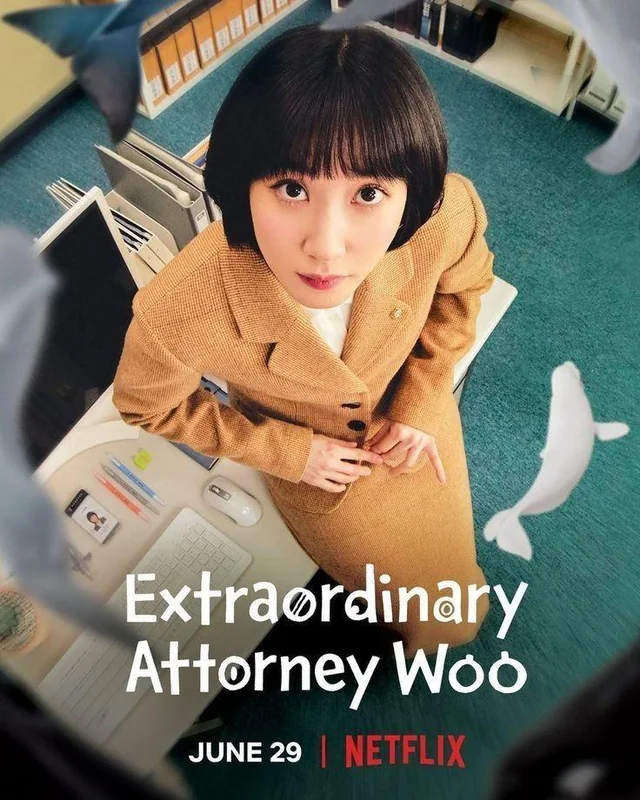
Extraordinary Attorney Woo isn’t just a legal drama—it’s a cultural statement. The protagonist, Woo Young-woo, a young lawyer with autism spectrum disorder, operates in a world that both challenges and misunderstands her. Her sharp mind, eidetic memory, and unique perspectives make her a courtroom powerhouse, but it’s her interpersonal challenges that spotlight the social friction within Korea’s high-context, conformist society.
Each episode cleverly juxtaposes Woo’s legal journey with a critique of Korea’s societal expectations. Whether she’s dealing with rigid educational hierarchies, intergenerational tension, or subtle workplace discrimination, viewers are exposed to the undercurrents of nunchi (social awareness) and jeong (deep emotional connection). It’s a masterful blend of empathy and intellect, showing how Korean society still has much to learn from those who “don’t fit the mold”—and how they may actually be the ones shaping the future.
Move to Heaven – Where Grief, Ritual, and Family Converge
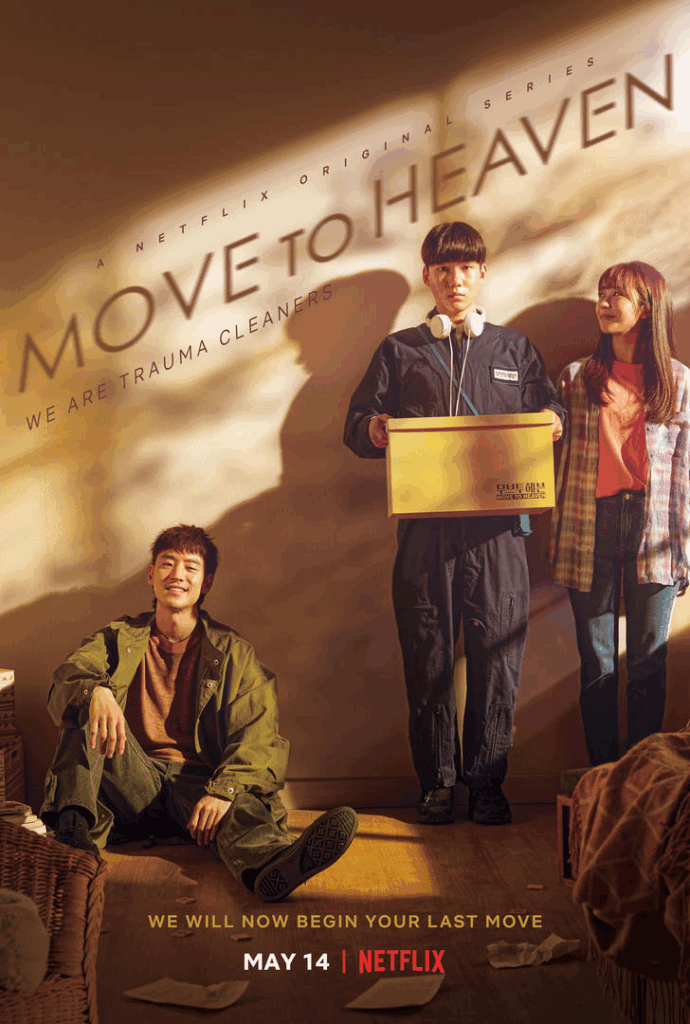
Move to Heaven brings quiet devastation wrapped in understated beauty. The story follows Geu-ru, a young man with Asperger’s syndrome, and his ex-con uncle as they run a trauma cleaning service. But they’re not just removing physical traces of the dead—they’re uncovering emotional legacies.
What this drama does exquisitely is tap into Korea’s nuanced relationship with death. Funerals are deeply ritualistic, familial shame is often hidden, and ancestral reverence is not just tradition—it’s law. As they sort through the lives of the deceased, viewers learn about Korea’s unspoken social issues: isolation of the elderly, economic despair, LGBTQ+ invisibility, and the burden of family honor. It’s both a love letter and a reckoning with how Korean society deals with loss—not just of people, but of connection, voice, and memory.
Alchemy of Souls – Tradition Meets Fantasy, Joseon-style
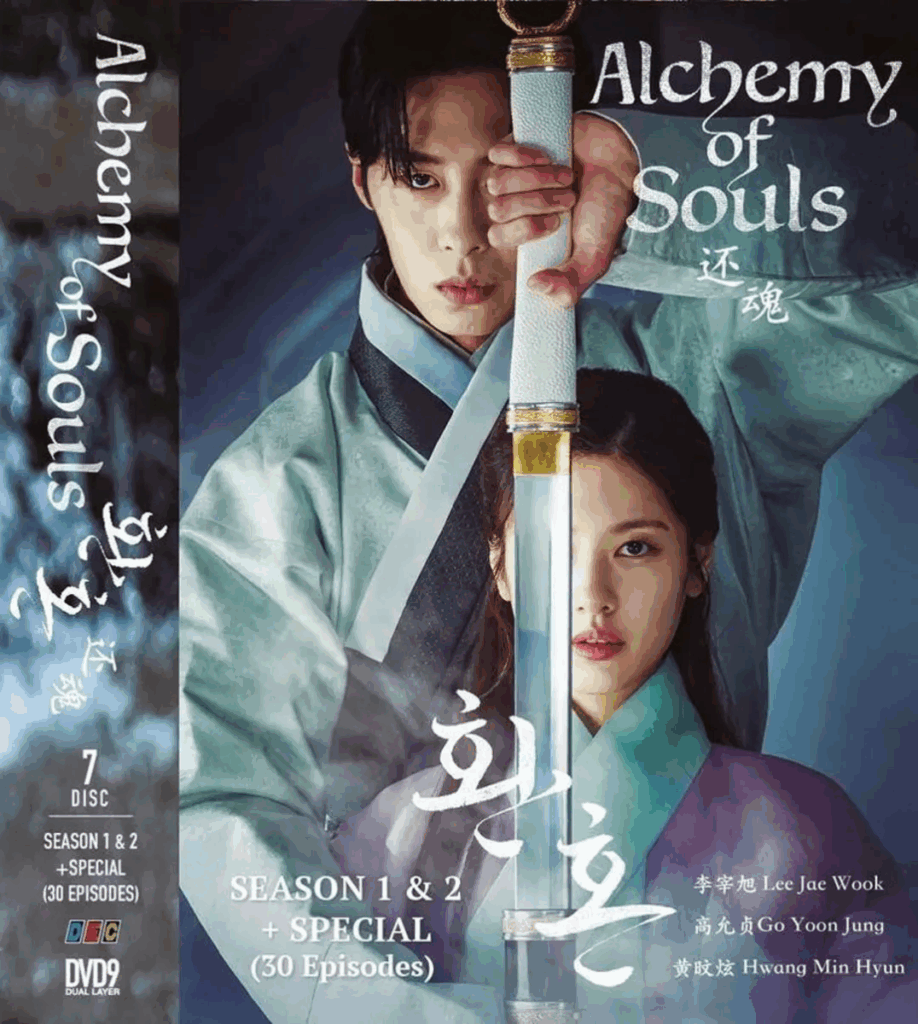
Don’t be fooled by its high-fantasy flair—Alchemy of Souls is steeped in Korean tradition. The fictional kingdom of Daeho mirrors Joseon-era Korea, complete with a rigid class hierarchy, Confucian values, and political intrigue. The central premise—soul transference magic—functions as a profound metaphor for social mobility, destiny, and inherited karma.
The drama is also a visual homage to traditional Korea. Hanbok-inspired costumes, courtly language, ancient maps, and spiritual philosophy permeate the storytelling. Female characters wield both swords and spells, yet are still constrained by status and duty. Through magical duels and forbidden love, we witness how old customs both anchor and suffocate. It’s a modern reimagining of Korea’s cultural DNA, palatable to international audiences but resonating deeply with native viewers familiar with the weight of lineage and legacy.
Record of Youth – A Portrait of Korean Ambition in the Age of Appearances
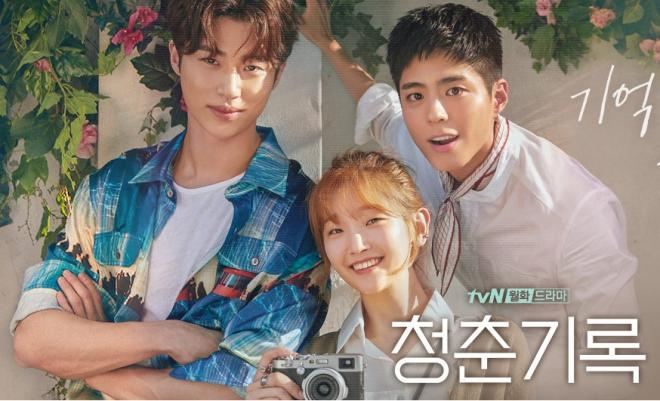
Record of Youth chronicles the emotional and professional struggles of aspiring actors and models, reflecting the very real pressures faced by Korea’s millennial and Gen Z populations. In a society obsessed with appearances—academic, aesthetic, and familial—the characters fight not just for success, but for authenticity.
The show explores the suffocating expectations placed on young adults to build their résumés from adolescence, the stigma of blue-collar backgrounds, and the way family networks often dictate opportunity. Class mobility remains more fantasy than reality for many, and this drama confronts that head-on. Social media is both a platform and prison, romance is secondary to survival, and every decision is filtered through how it will “look.” It’s a reality check with a beautiful Instagram filter.
Business Proposal – The Corporate Date That Spills Cultural Secrets

Business Proposal might appear to be a frothy romantic comedy, but beneath the meet-cutes and mistaken identities lies a sharp social commentary on Korea’s professional dating rituals, workplace expectations, and chaebol culture. Arranged blind dates, fake identities to escape family pressure, and strict hierarchies within corporate spaces reflect real Korean experiences.
Women in this drama juggle respectability politics, career ambition, and the persistent question of marriage. Office gossip, hierarchy-induced awkwardness, and interdepartmental romance rules aren’t just plot devices—they’re echoes of real Korean workplace dynamics. For international viewers, it’s a fun way to learn about the subtleties of Korean etiquette, honorific language, and the complex dance of tradition and personal freedom.
Why These Dramas Matter
These dramas serve as more than entertainment—they are cultural education disguised as gripping storytelling. For anyone curious about the emotional architecture of Korean society, these shows reveal the mechanisms of shame, duty, resistance, and growth. Each plotline offers a different lens through which to view Korea—not as a monolithic K-pop machine, but as a nation grappling with its past, embracing its future, and constantly evolving in between.
From autism awareness and funeral traditions to gender politics and class warfare, these dramas are multifaceted explorations of Korean identity. They’re also prime examples of how Korea uses television not just to entertain, but to process, question, and reimagine itself.
Want to understand Korea beyond kimchi and K-pop? Watch these.
Netflix, your passport for korea
Netflix might be your passport, but these K-dramas are your guided tours. Whether you’re a student of sociology, a drama enthusiast, or just someone looking to understand a culture through its stories, these five dramas offer more than plot—they offer perspective.
Ready for a deep dive? Bookmark this post, start your Netflix queue, and let the cultural immersion begin.