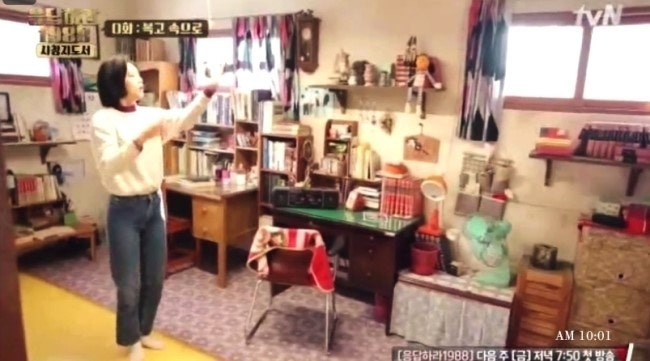
Let’s take a little walk—no time machine required—into a 1980s South Korean home. A decade of rapid industrial growth, color televisions, and an absolutely baffling amount of linoleum. If you’ve ever wondered what it might be like to have tea in your aunt’s apartment while a fan louder than a lawnmower hums behind you, welcome. This is for you. retro futurism interior design
The Typical Layout
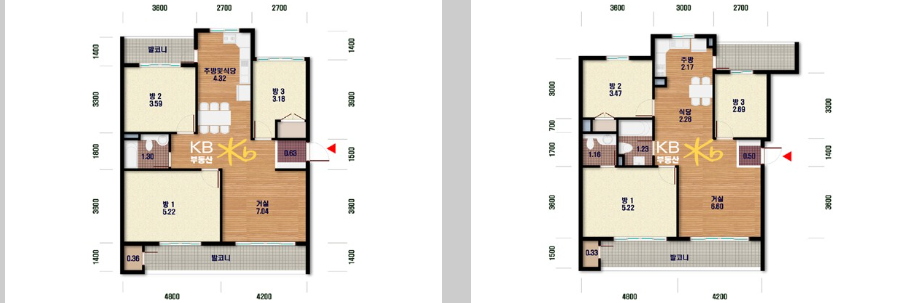
The layout of most ’80s Korean apartments could be described as practical to the point of poetic. Small living room? Check. Narrow kitchen? Check. Bedrooms that doubled as storage units, play areas, and occasional dining spaces? Absolutely. These homes were masters of utility—like origami, but with furniture.
Furniture and Decor, retro futurism interior design
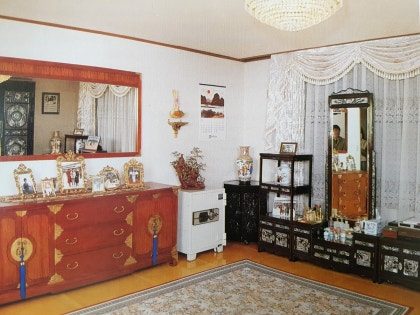
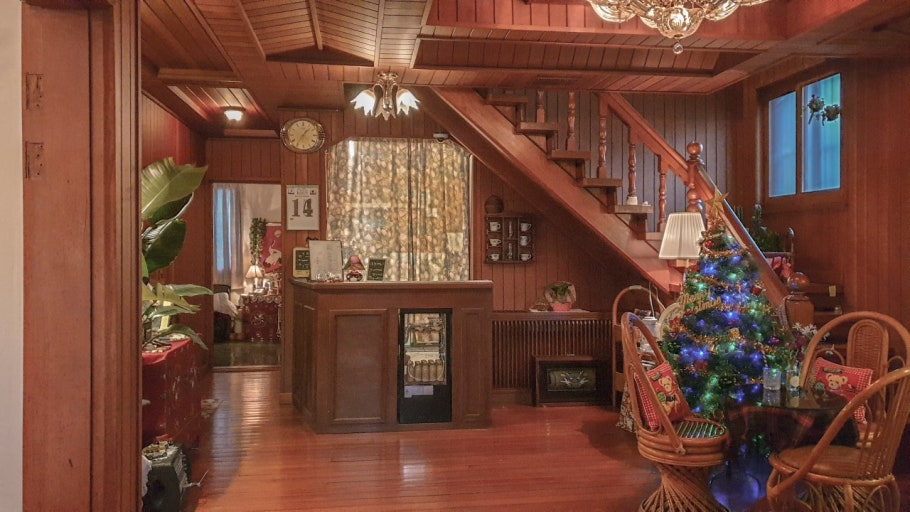
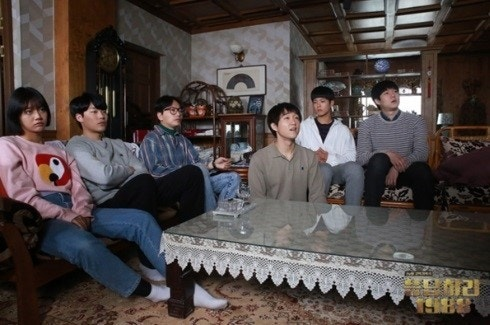
Now picture this: everything brown. Not fifty shades, just… a few dependable ones—wood veneer, imitation leather, and cabinets with more shine than substance. Sofas bore heroic floral prints that looked like wallpaper in disguise. Televisions came with dials, not remotes, and fans stood sentinel in every corner, humming like they knew secrets.
Flooring and Materials
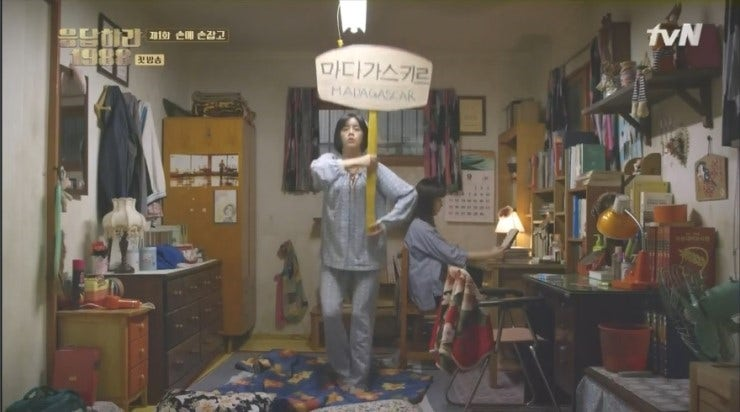
Step inside, and you’d likely feel linoleum underfoot, possibly a shade of orange that’s best described as “institutional optimism.” Walls flaunted wallpaper with geometric patterns that would make your eyes vibrate slightly. Bathrooms were tiled in enthusiastic mint or bashful pink—and yes, they were proud of it.
Life Reflected in Space
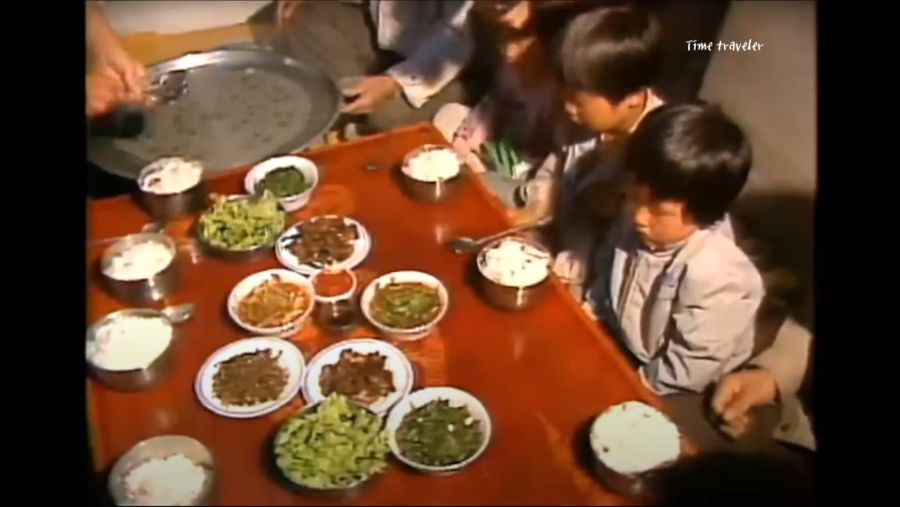
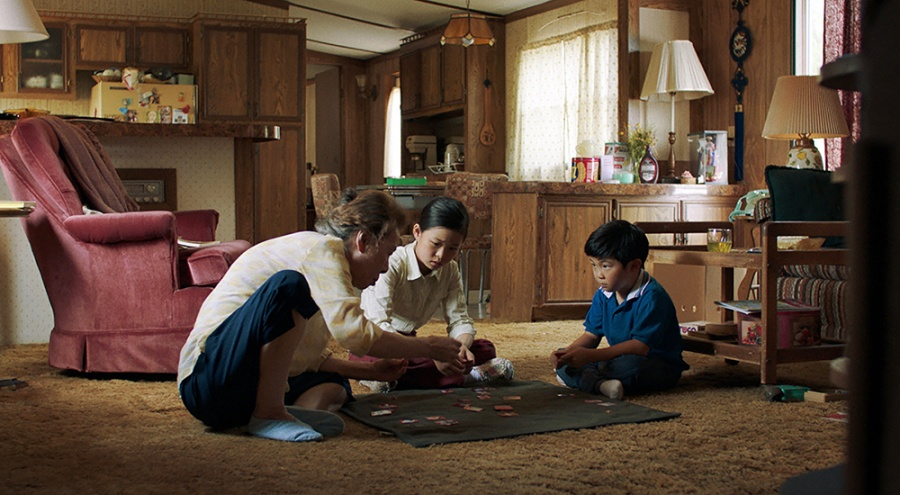
The culture of the time left footprints everywhere (well, metaphorically—because shoes were left at the door). Koreans sat, ate, watched TV, and probably argued all from the same floor cushions. Underfloor heating (ondol) kept the bottoms of everyone’s feet very, very happy. Sliding doors and folding tables made small spaces do somersaults.
Aesthetic Comeback
Here’s the twist: it’s all back. Cafés now pay good money to look like grandma’s living room circa 1984. Designers plunder the past for wood veneer, analog clocks, and scratchy couch fabric. Shows like “Reply 1988” have turned nostalgia into an interior design movement. Somewhere, a floral couch just felt validated.
Why It Still Matters
The 1980s Korean home wasn’t just a place to live—it was a reflection of who people were and what they valued during a whirlwind decade. Looking back isn’t just sentimental; it’s revealing. These homes tell a story about adaptation, family, and finding comfort in the midst of change. Which, honestly, is all any of us are still trying to do.