
So, you just watched Netflix’s “Good News” and thought: “Wait… this hilarious hijacking mess is based on a real story?” Well, buckle up – because the real event it’s inspired by is just as jaw-dropping (minus the dark comedy… maybe).

Let’s talk about the Yodogo Hijacking Incident, a.k.a. the moment in 1970 when nine radical Japanese leftists thought, “Hey, let’s just hijack a plane and fly it to North Korea.” Yes. That happened. For real.
First things first: What was the Yodogo Incident?
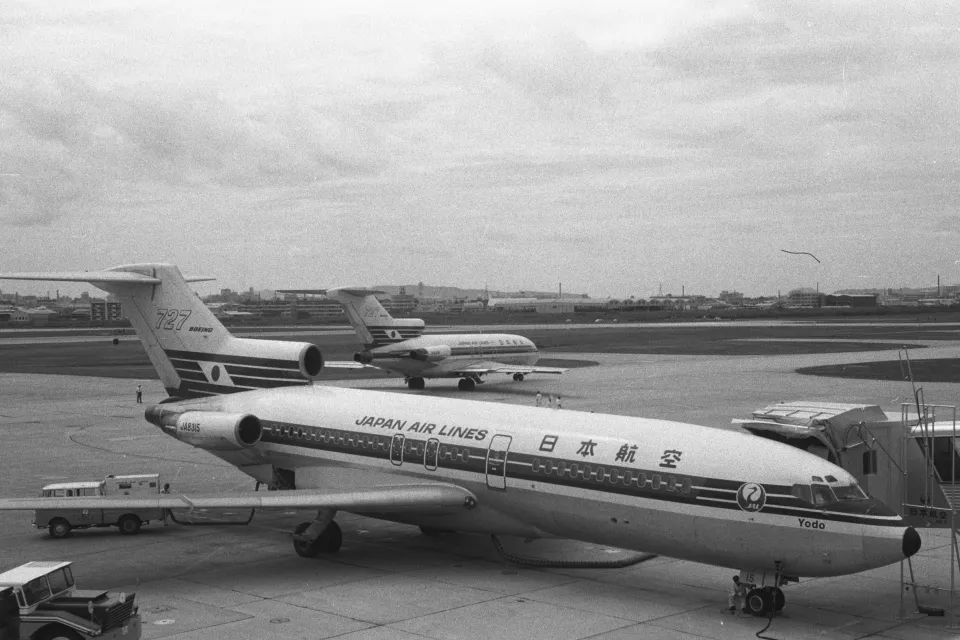

On March 31, 1970, a group of nine young men – members of Japan’s far-left Red Army Faction – boarded a Japan Airlines domestic flight (JAL Flight 351) from Tokyo to Fukuoka. The plane? A Boeing 727 named “Yodo” (Yodogo).
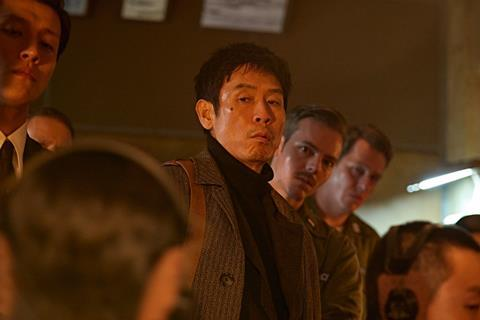
About 20 minutes into the flight, they hijacked it. Their original demand? “Fly us to Cuba!”
Problem: The plane didn’t have enough fuel.
Solution: “Okay, North Korea it is!” No biggie, right?
| Flight | Japan Airlines Flight 351 (Yodogo) |
| Date | March 31, 1970 |
| Hijackers | 9 members of the Red Army Faction |
| Destination | Eventually, Pyongyang, North Korea |
| Passengers | Released after negotiations |
| Plane’s Fate | Returned safely to Japan |
“Good News” vs. Reality – What’s the Same? What’s Wildly Different?
Netflix’s “Good News” isn’t a documentary. It’s a satire. A wild ride. A full-on absurdist take on a serious moment in Cold War history.
But it’s definitely inspired by the Yodogo Incident, with some “creative liberties” taken (to say the least). Let’s break it down:
| Aspect | The Real Event | The Movie Version |
| Hijackers | Actual Japanese far-left radicals | Goofy, over-the-top fictional characters |
| Tone | Tense, political, historic | Dark comedy, satire, chaos |
| Ending | Landed in North Korea, passengers freed | Let’s just say… more dramatic |
TL;DR? The movie keeps the skeleton of the story, but dresses it in a ridiculous (and entertaining) suit.
What happened to the real Yodogo plane?
Here’s the kicker: the plane survived. After landing in North Korea and unloading the hijackers, the aircraft was returned to Japan – intact.
No passengers were killed. The crew was eventually released. It’s been called a “bloodless hijacking” – though obviously terrifying for those onboard.
- The hijackers? They stayed in North Korea – some still live there.
- The plane? Went back into service in Japan for years after.
- The law? Japan passed a new anti-hijacking law immediately after.
Why does it matter today?
The Yodogo Hijacking wasn’t just a weird detour in aviation history. It symbolized a moment when ideology went airborne – literally.
In the Cold War era, it was a perfect storm: radical politics, international tension, and zero security checks.
Netflix’s “Good News” takes that tension and flips it into farce – but the bones of the story remind us how wild, messy, and human history really is.
Good new is based on a true story
So yes – “Good News” is based on a true story.
But the real event? Arguably even stranger than the film itself.
If you loved the movie, take a minute to read more about the actual hijacking. It’s a wild chapter in history that’s somehow both terrifying and absurd.
Watch the movie again — now with context!