
You hear it in almost every Korean romance. A character says “oppa” in a soft voice, the music swells, and the scene shifts. Subtitles usually translate it as a name or drop it entirely, so you are left guessing whether she is talking to her brother, her boyfriend or a stranger.
The oppa meaning is simpler than the scenes suggest, but the rules about who can say it are strict. Get those rules right and a lot of K-drama dialogue suddenly makes sense. This guide explains the dictionary definition, who is allowed to use the word, and why it carries so much weight on screen.
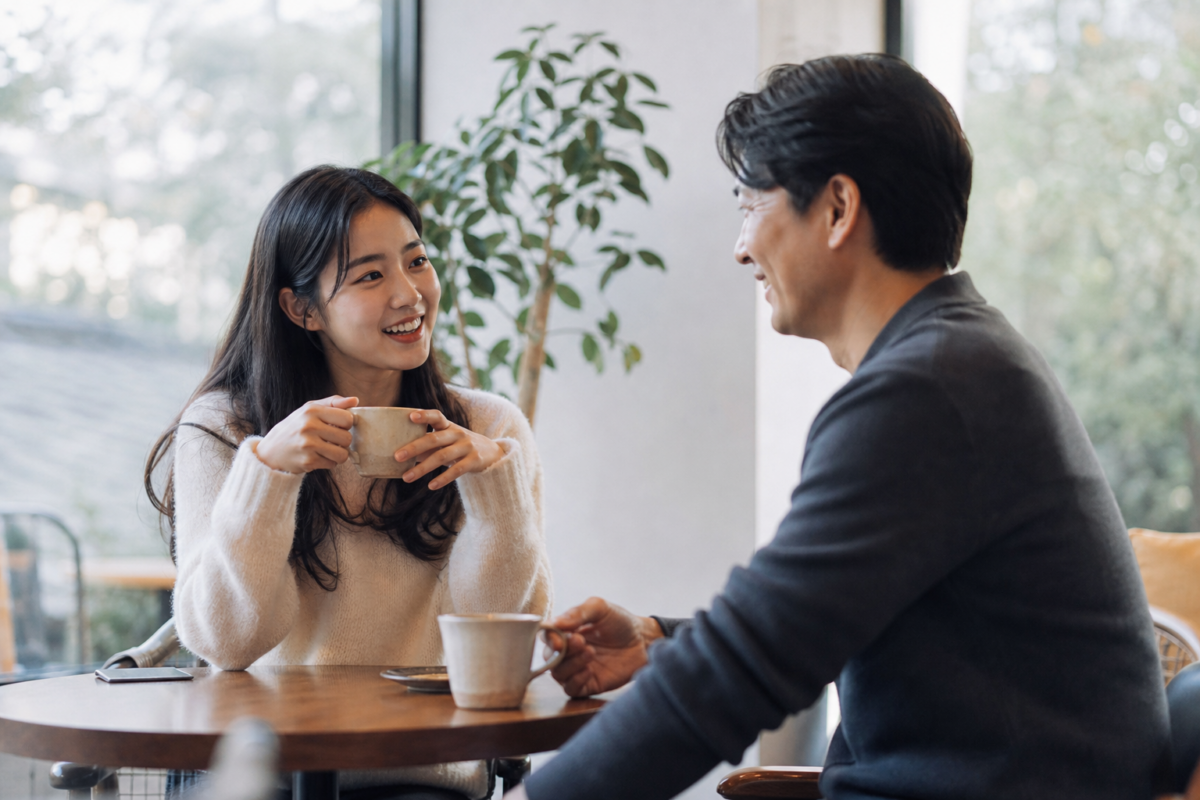
Oppa means “older brother” and is used only by a female speaker toward a male who is older than her. It covers real brothers, cousins and, in a second dictionary sense, any older man she feels close to. That second sense is why it shows up in romance.
What oppa means in the dictionary
The Basic Korean Dictionary, published by the National Institute of Korean Language, lists two senses for oppa. The first is a word a girl uses to refer to or address her male siblings or cousins who are older than herself. The second is a word she uses to refer to or address, endearingly, another male who is older than she is. You can read both senses in the Basic Korean Dictionary, checked on 13 October 2026.
Both senses depend on two facts: the speaker is female, and the man is older. Nothing in the definition says boyfriend. The romantic use comes from the second sense, where closeness and affection do the work.
Who can say oppa and who cannot
A man never calls another man oppa. The dictionary marks the word as used only by a girl, so a male speaker uses a different word for an older male. That word is hyung, and it follows the same pattern from the male side.
A woman also does not call a younger man oppa, even if he is taller or more senior at work. Age is the deciding factor. If she is older, he is the one who uses a sibling title for her, and the title he uses is noona.
Korean has four core sibling titles for older people, and which one you use depends on your own gender and theirs. The table below lays out all four with the dictionary definitions behind them.
| Title | Official romanization | Who says it | To whom |
|---|---|---|---|
| Oppa | oppa | A female speaker | An older male |
| Hyung | hyeong | A male speaker | An older male |
| Unnie | eonni | A female speaker | An older female |
| Noona | nuna | A male speaker | An older female |
The definitions come from the Basic Korean Dictionary entries for each word. The romanization column follows the government’s Revised Romanization of Korean, which is why official spellings sometimes look different from fan spellings.
Why oppa feels romantic in K-dramas
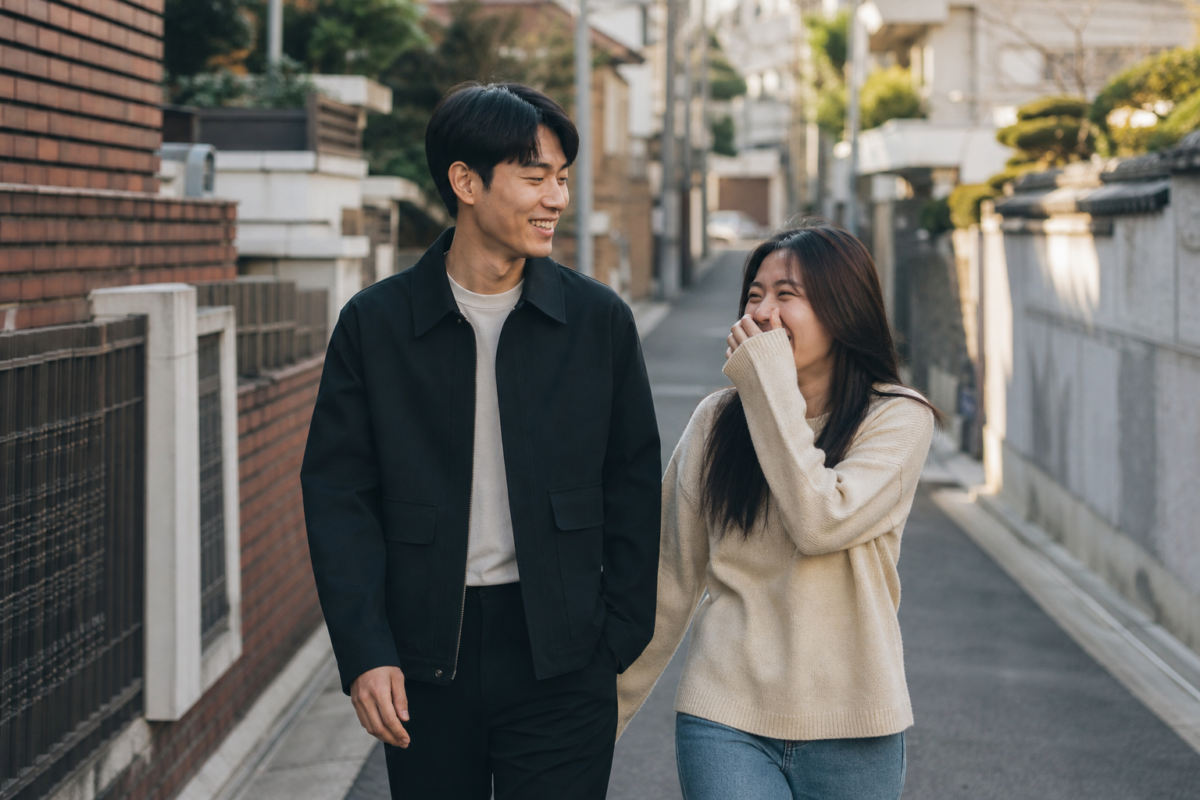
In the second dictionary sense, oppa is affectionate. A woman uses it for an older man she feels close to, which can be a family friend, a senior from school or a boyfriend. Dramas lean on that ambiguity because the same word can sound friendly in one scene and flirtatious in the next.
The shift is often the plot point. A heroine who has been calling the lead by his full name, or by a formal title, switches to oppa. That switch tells the audience the relationship has moved closer, without a single line of explanation. Subtitles struggle here because English has no equivalent move.
Tone matters as much as the word. Said quickly, oppa can sound like a sister calling her brother to dinner. Stretched out with a rising pitch, it can sound playful or pleading, and that delivery is what fans notice.
How age decides everything
Because the word depends on who is older, Korean speakers often settle age early when they meet. Two people who become friends will work out their ages so they know which titles to use and whether they can speak casually. This is why characters in dramas ask about age so quickly.
Age counting itself changed recently. According to Korea.net, the official government site, the international age system became the standard for legal and administrative use from 28 June 2023. Before that, the traditional count added a year on 1 January, which made many people one or two years older than their international age. Older dramas and interviews often use the traditional count, so stated ages may not match what you calculate.
Spelling, pronunciation and oppan
Oppa is one of the rare words where the fan spelling and the official spelling match. The double consonant in the middle is romanized as pp under the Revised Romanization system. Say it with a short, tight pause before the second syllable rather than a soft English p.
You may also see oppan, as in PSY’s 2012 hit “Gangnam Style.” That form is oppa joined to a short topic marker, so the line means something close to “oppa is Gangnam style.” It is the same word doing the same job.
Using oppa yourself
If you are learning Korean, the safe rule is narrow. Use oppa only if you are female, he is older, and you already have a warm, informal relationship. In a workplace or with someone you just met, a name with a polite suffix or a job title is the normal choice.
Copying drama habits is the most common mistake learners make. Our guide to learning Korean with K-pop and K-dramas explains why romance dialogue is a poor model for everyday politeness. Couples on screen speak intimately because they are intimate, and that level rarely fits real-life encounters with strangers.
Men learning Korean need hyung instead, and anyone addressing an older woman needs unnie or noona depending on their own gender. Mixing these up is noticeable but usually forgiven, since native speakers know the system is hard for outsiders.
Where to go from here
Oppa is the most searched of the Korean family titles, but it is one piece of a larger system. Once you know the four sibling titles, most forms of address in K-dramas become readable. The next layer is workplace and school titles, which follow seniority rather than age.
If you want to see how these titles play out across whole stories, our pick of Korean dramas that work like a crash course in Korean society is a good starting list. Watching with the titles in mind turns background dialogue into useful information about every relationship on screen.
Oppa meaning frequently asked questions
Does oppa mean boyfriend?
Not by definition. The dictionary defines it as older brother, with a second sense for any older man a woman feels close to. Girlfriends often call their older boyfriends oppa, which is why the word sounds romantic in dramas. The same woman may also use it for her real brother.
Can a guy call someone oppa?
No. The Basic Korean Dictionary marks oppa as used only by a female speaker. A man uses hyung for an older male instead. The same pattern runs the other way, since women use unnie rather than hyung for an older woman.
Can I call a younger man oppa?
No, because the word depends on him being older than you. If you are the older one, he would call you noona. Height, job title or confidence do not change the rule.
Is it rude for a foreigner to say oppa?
It is not rude if the relationship is close and informal and the age order is right. It can feel odd with a stranger or a colleague. In formal settings, a name with a polite suffix is the safer choice.
How do you spell oppa in English?
The official Revised Romanization spelling is oppa, which matches the common fan spelling. The double p reflects a tense consonant in the middle of the word. Some older sources use other spellings, but oppa is the standard.
What is the female version of oppa?
For a female speaker talking to an older woman, the word is unnie. For a male speaker talking to an older woman, it is noona. The matching word for an older man, used by men, is hyung.