
The South Korean entertainment industry, led by K-pop and K-dramas, is no longer just a regional phenomenon. It has evolved into a powerhouse of the global cultural economy, showing unprecedented growth in markets like the United States and the Middle East. For international investors, companies like HYBE, SM, JYP, and YG offer unique opportunities through strategic collaborations and fandom-based monetization models. However, with massive capital inflows come significant risks that require careful analysis.
The Fandom-Driven Global Reach of K-Pop
K-pop has transitioned from a niche interest to a mainstream global trend. As of 2025, the United States has become the fourth largest market for K-pop consumption, signaling a massive geographical shift from its traditional Asian base.

- Economic Impact: K-pop concert revenues have surpassed 1 trillion KRW, even outperforming the traditional film industry.
- Sustainability: The continuous success of world tours by groups like Seventeen, TWICE, and Enhypen provides a foundation for stable, long-term returns for investors.
The Rise of the Fandom Economy and Platforms
Modern K-pop fandoms are not just consumers; they are organized economic entities that drive an artist’s success through collective buying and global digital campaigns.
- Monetization via Platforms: Leading agencies are leveraging dedicated platforms like Weverse (HYBE) and DearU (SM). These go beyond community spaces, integrating e-commerce, exclusive content, and real-time interaction.
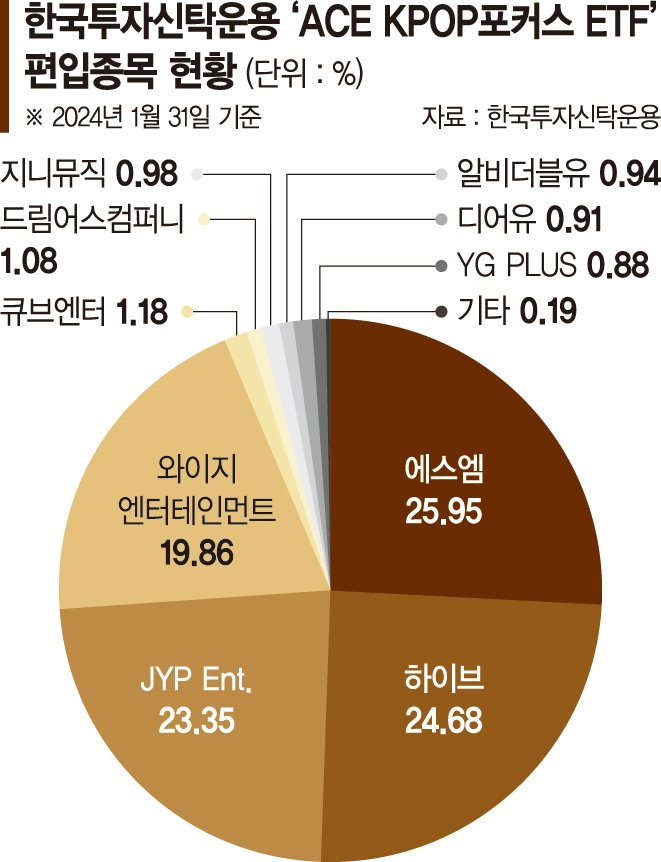
- Corporate Synergy: Recent discussions regarding a joint venture between the “Big 4” (HYBE, SM, YG, JYP) suggest a strategic shift toward an industry-wide platform model, creating long-term growth momentum through brand synergy.
OTT Strategy: K-Dramas and Films Go Digital
The distribution of Korean content has shifted rapidly from traditional TV and theaters to Global OTT (Over-the-Top) platforms like Netflix and Disney+.

- Revenue Diversification: This digital-first approach allows production companies to maximize profit leverage through global licensing and simultaneous worldwide releases.
- Convergent Content: Collaboration between K-pop IPs and drama production (e.g., CJ ENM) is becoming a standard to mitigate risks like rising production costs and platform competition.
Investment Landscapes: Opportunities and Risks
While the growth is undeniable, the influx of capital—particularly from China—presents a complex landscape for investors.
The Inflow of Chinese Capital
Between 2022 and 2025, China emerged as a top investor in Korean entertainment, with Foreign Direct Investment (FDI) reaching $12.4 billion. Major players like Tencent and Alibaba have acquired stakes in agencies like SM, YG, and FNC.
- Pros: Large-scale production budgets and access to local Chinese distribution networks.
- Cons: Potential risks include reduced financial transparency, technology leaks, and geopolitical uncertainties (such as the “Hallyu Ban”).
Future Outlook: Global Performance and Joint Ventures
The most powerful engine driving current performance is the expansion of the global live performance market.
- Growth Projections: The global music industry is expected to grow at an average annual rate of 7.6%.
- Industry Transformation: By forming joint ventures, the “Big 4” are moving from individual competition to industry-wide “platformization.” This allows for massive global festivals and innovative business models that attract sophisticated foreign investors.
Conclusion for Investors
The Korean entertainment industry offers a compelling blend of high-growth fandom platforms and robust global demand. To navigate this market, investors must balance the explosive potential of K-pop’s international reach against the regulatory and geopolitical risks associated with large-scale foreign capital.