Quick Summary for Visionary Creators:
The era of Hollywood-only success is over. In 2026, South Korean production giants are aggressively hunting for Global Intellectual Property (IP) to transform into the next Solo Leveling or Squid Game. This guide reveals the internal criteria Korean studios use to evaluate foreign stories and provides a strategic roadmap to get your work noticed by the industry’s biggest decision-makers.
The Paradigm Shift: From Exporting K-Content to Importing Global IP
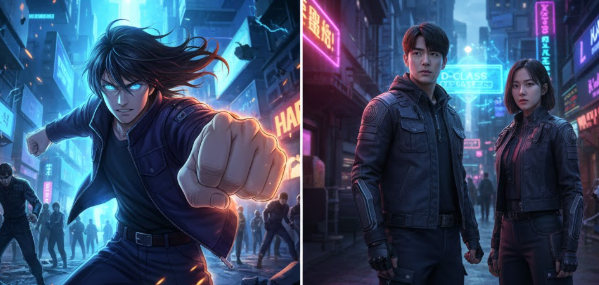
I’ve spent the last decade in the heart of Seoul’s content district, and I can tell you: the hunger for fresh stories has never been this intense. For years, Korea was known for exporting its own culture. But in 2026, the strategy has evolved. Leading studios like Studio Dragon, SLL, and Kakao Entertainment are now looking outward. They realize that combining Global Narratives with Korean Production Magic is the ultimate formula for a worldwide #1 hit.
If you are a webnovel writer on Wattpad, an indie comic artist, or a screenwriter in London or New York, you are no longer an outsider. To a Korean producer, you are a potential gold mine of untapped Cinematic Rights. However, they won’t come knocking on your door unless you speak their specific “production language.”
The Internal Criteria: What Makes a Story “K-Adaptable”?
Before you send a single pitch email, you must understand that Korean producers don’t just look for “good stories.” They look for structural compatibility. Through my consultations with local production heads, I’ve identified three non-negotiable elements they seek in foreign IP.
| Evaluation Factor | What it Means | Producer’s Perspective |
|---|---|---|
| Cliffhanger Pacing | High-stakes endings for every episode. | Essential for “Binge-watch” metrics on OTT. |
| Visual Scalability | Distinctive character designs/powers. | Critical for Merchandising and Webtoon spin-offs. |
| Emotional Resonance | Deep interpersonal stakes (Han). | The “secret sauce” that makes K-dramas global. |
Mastering the ‘Cliffhanger’ Strategy: The Korean Way

In my experience, the biggest culture shock for Western writers is the Pacing. Hollywood often favors a “Slow Burn.” In Korea, if the protagonist doesn’t face a life-altering choice or a shocking revelation by the end of Chapter 1, the producer will stop reading.
To make your IP attractive, you need to reorganize your pitch to highlight what we call “The Cliff”. Every major story beat must act as a hook for the next. When I help creators bridge this gap, we often spend weeks just restructuring the first three episodes to fit the “K-style” rhythm. This isn’t just about speed; it’s about Aggressive Curiosity Management.
Insider Secret: The “Genre-Blending” Trend
Right now, Korean studios are obsessed with Genre-Bending. A simple romance isn’t enough. They want Romance + Thriller, or Fantasy + Social Commentary. If your IP crosses genres, you are already 50% ahead of the competition. Boldly emphasize the collision of genres in your logline.
How to Contact the “Big Fish”: The Submission Roadmap
The most common question I get is: “Who do I even email?” Sending a generic message to info@studiodragon.com will almost certainly result in your pitch being deleted. In the Korean industry, Personal Gateways and Curated Submissions are everything.
1. The Webtoon Shortcut: Many studios now look at Naver Webtoon’s “Canvas” or Kakao’s “Stage” as their primary scouting grounds. Converting your novel into a high-quality webtoon pilot is often the fastest way to get a drama producer’s attention.
2. The B2B Marketplaces: Events like BCWW (Broadcast Worldwide) and the K-Story Popup in Seoul are where actual contracts are signed. If you cannot attend in person, you need a representative who is physically present in these high-stakes networking environments.
3. The Agency Buffer: Most Korean production companies will not accept unsolicited manuscripts for legal reasons. They work through Verified IP Agencies. This is where I come in. Having an “Insider Shield” means your work is presented as a vetted, high-potential asset rather than a random submission.
Stop Dreaming, Start Pitching
The success of Solo Leveling proved that a story born outside the traditional TV system can conquer the world if it finds the right Korean partner. Your story could be the next global sensation, but the window of opportunity in this 2026 boom won’t stay open forever.
The difference between a “Writer” and an “IP Mogul” is Distribution Strategy. Don’t let your masterpiece stay hidden in your hard drive because you were intimidated by a different language or a complex market.
Join our 2026 Pitching Program and get your story in front of Korea’s Top 5 Production Houses.
Essential Reading for IP Creators:
- Top 10 K-Drama Production Companies Hiring Foreign Writers in 2026
- How to Protect Your Copyright in the Korean Market
- Visual Storytelling: Adapting Novels for the Korean Webtoon Format
Global IP to K-Drama Strategy | © 2026 The K-Content Gateway Expert